
Have you ever wondered what happens to your trash after you throw it away?
The answer largely depends on whether it’s biodegradable or non-biodegradable. This fundamental difference has a massive impact on our planet.
Understanding these terms is the first step towards making more responsible choices and reducing your environmental footprint.
The Big Picture: Why It Matters
Our landfills are overflowing, and plastic pollution is rampant. The ability of a material to break down naturally determines its impact on ecosystems.
- Landfill Crisis: Landfills worldwide are reaching capacity, often filled with items that won’t decompose for centuries.
- Pollution Epidemic: Non-biodegradable materials, especially plastics, pollute oceans, harm wildlife, and degrade landscapes.
- Resource Depletion: Many non-biodegradable items are made from finite resources, unlike biodegradable ones which often come from renewable sources.
The Earth’s Natural Recycling System
Nature has its own way of recycling through microorganisms. When we introduce materials that defy this system, problems arise.
🌱 What is Biodegradable?
Biodegradable materials are substances that can be broken down by living organisms (like bacteria, fungi, or microbes) into natural components such as water, carbon dioxide, and biomass.
This process happens naturally in environments like soil or water.
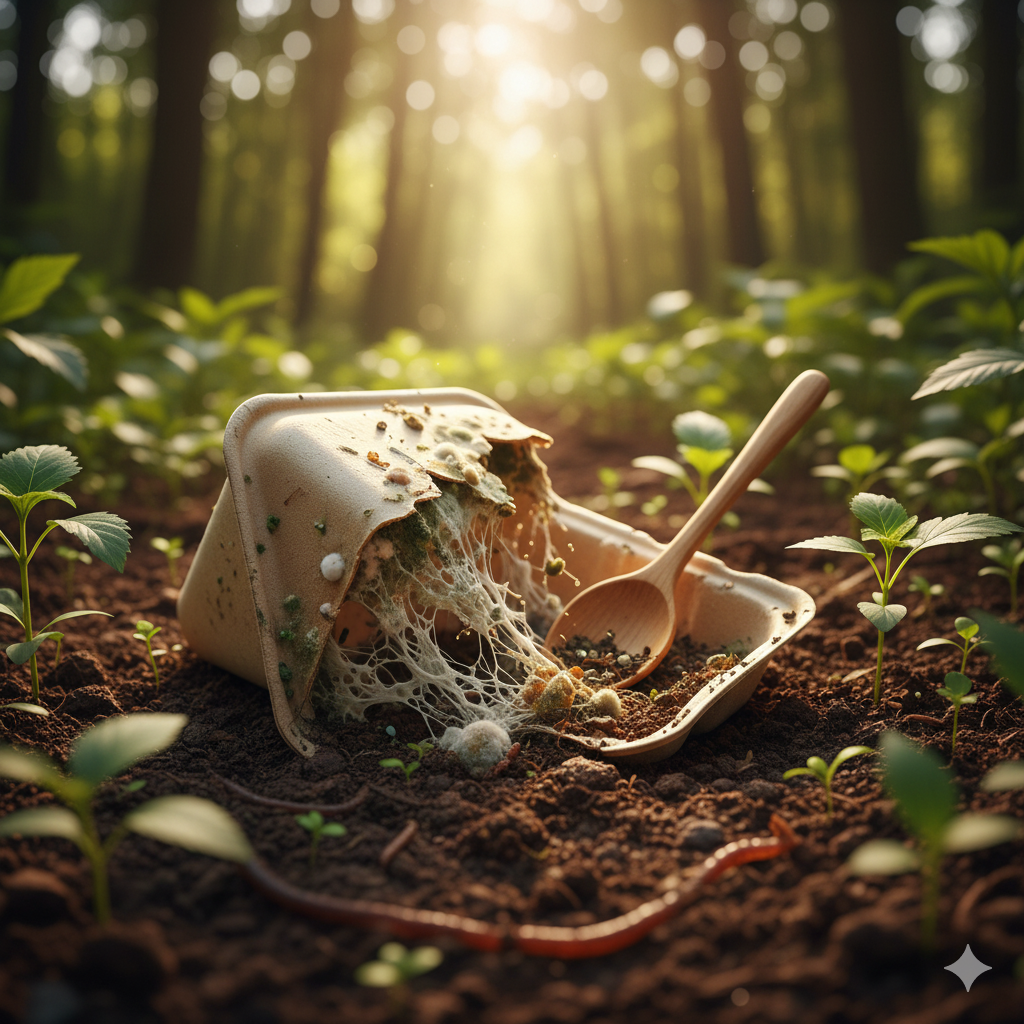
- Key Characteristic: They return to nature, often enriching the soil.
- Examples: Food scraps, wood, paper, cotton, human and animal waste.
- Decomposition Time: Varies greatly, from days (fruit peels) to years (some wood).
The Role of Composting
Composting is an accelerated form of biodegradation, turning organic waste into nutrient-rich soil amendment.
🚫 What is Non-Biodegradable?
Non-biodegradable materials are substances that cannot be broken down by natural processes. They remain in their original form for an extremely long time, often hundreds or thousands of years.
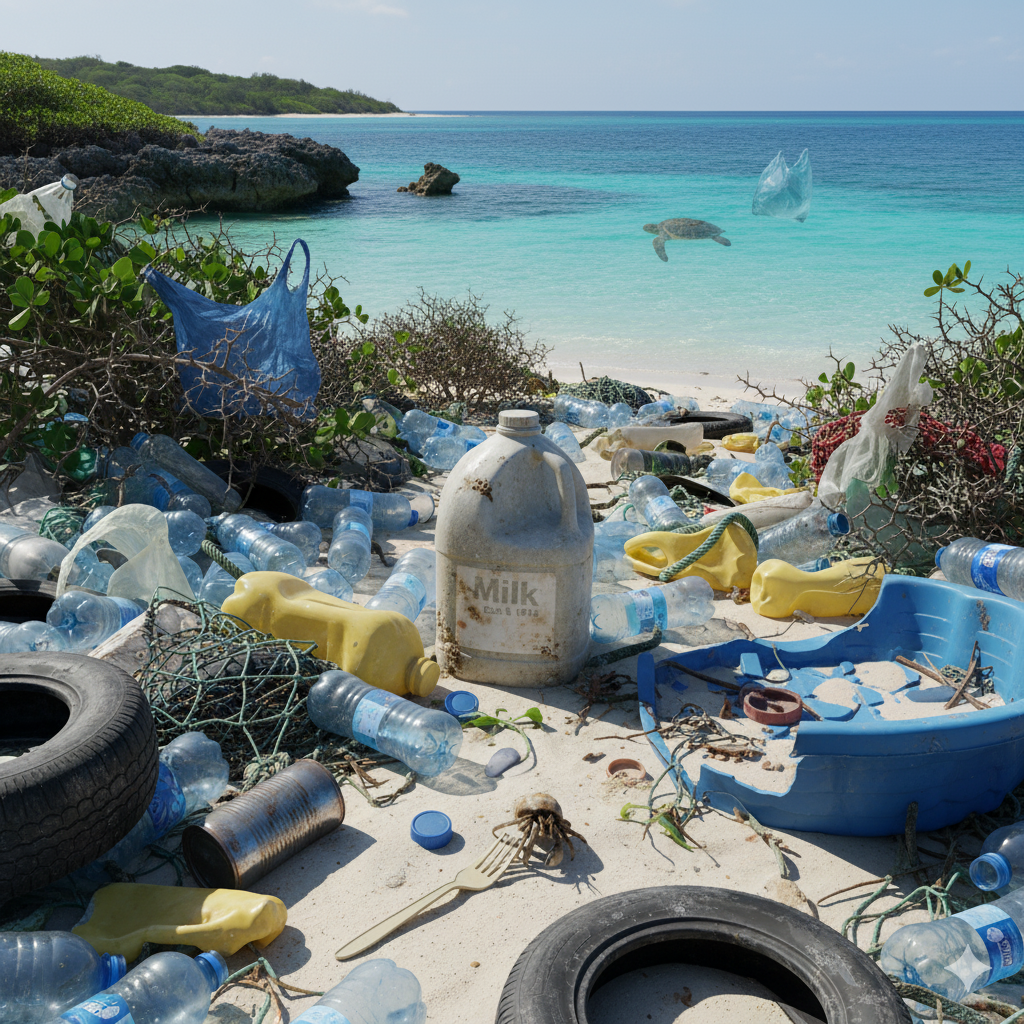
- Key Characteristic: They accumulate, leading to pollution and waste problems.
- Examples: Plastics (bottles, bags, containers), glass, metals, styrofoam.
- Environmental Impact: These materials persist in landfills and oceans, causing long-term harm.
The Problem with Persistence
The durability of non-biodegradable items is a strength in use but a major weakness for the environment.
⚖️ Biodegradable vs. Non-Biodegradable: A Quick Comparison
This table highlights the key differences and typical decomposition times for common materials.
| Feature | Biodegradable Materials | Non-Biodegradable Materials |
| Breakdown By | Microorganisms (bacteria, fungi) | No natural process (or extremely slow/incomplete) |
| End Result | Water, CO2, Biomass (nutrients for soil) | Remains as original material (or micro-plastics) |
| Environmental Impact | Minimal, supports natural cycles | High, causes pollution, harms ecosystems |
| Typical Examples | Food scraps, paper, wood, cotton, natural fibers | Plastics, glass, metals, synthetic fabrics, styrofoam |
| Decomposition Time | Days to a few years | Hundreds to thousands of years |
📉 Impact & Solutions: What Can You Do?
Our daily choices have a profound impact. Embracing a more sustainable lifestyle is easier than you think.
- Reduce: Buy less, especially items with excessive packaging.
- Reuse: Opt for reusable bags, bottles, coffee cups, and containers.
- Recycle: Properly sort and recycle non-biodegradable materials where facilities exist.
- Compost: Start a home compost bin for your food scraps and yard waste.
- Choose Wisely: Prioritize products made from biodegradable or sustainably sourced materials.
❓ Frequently Asked Questions (FAQs)
Q: Is all plastic non-biodegradable? A: Most traditional plastics are non-biodegradable. Some newer “bioplastics” are designed to be biodegradable or compostable, but often require specific industrial conditions.
Q: Does “biodegradable” mean it will disappear quickly in a landfill? A: Not necessarily. Even biodegradable items need specific conditions (oxygen, moisture, microbes) to break down. Landfills are often sealed, slowing decomposition for all materials.
Q: How long does it take for a plastic bottle to decompose? A: A typical plastic bottle can take up to 450 years to decompose in a landfill. (Source: EPA)
Q: Are all natural materials biodegradable? A: Generally, yes. However, processed natural materials (like heavily treated wood or certain leathers) may break down slower or require specific conditions.
About the Author
Hello! I’m Kalpita , an environmental educator and advocate for responsible consumption. My passion is to empower individuals and communities with knowledge to make impactful, earth-friendly decisions. Join me in building a more sustainable future, one informed choice at a time!