
You’ve heard the term “biodegradable,” but what does it really mean? It’s not just one thing!
The world of biodegradable materials is vast and fascinating, encompassing everything from the apple core you compost to cutting-edge plastics made from plants. Understanding these different types is crucial for making informed choices that truly benefit the environment.
Let’s dive into the categories that are helping us move towards a waste-free future.
Why Differentiate Between Biodegradable Types?
Not all “biodegradable” materials are created equal. Some break down quickly in your backyard, while others need specific industrial conditions. Knowing the difference helps you:
- Dispose Correctly: Ensures items end up in the right place (compost, specific recycling, or landfill).
- Avoid Greenwashing: Helps you identify genuinely sustainable products from marketing hype.
- Support Innovation: Encourages the development of truly earth-friendly materials.
The Spectrum of Decomposition
From simple sugars to complex polymers, all biodegradable materials share one goal: to return to nature’s cycle.
⭐ Category 1: Natural Organic Materials
These are the original biodegradable items, straight from nature. They decompose through natural biological processes, enriching the soil.
1. Plant-Based Fibers (Cellulose)
This category includes cotton, linen, hemp, jute, and paper. They are derived directly from plants.
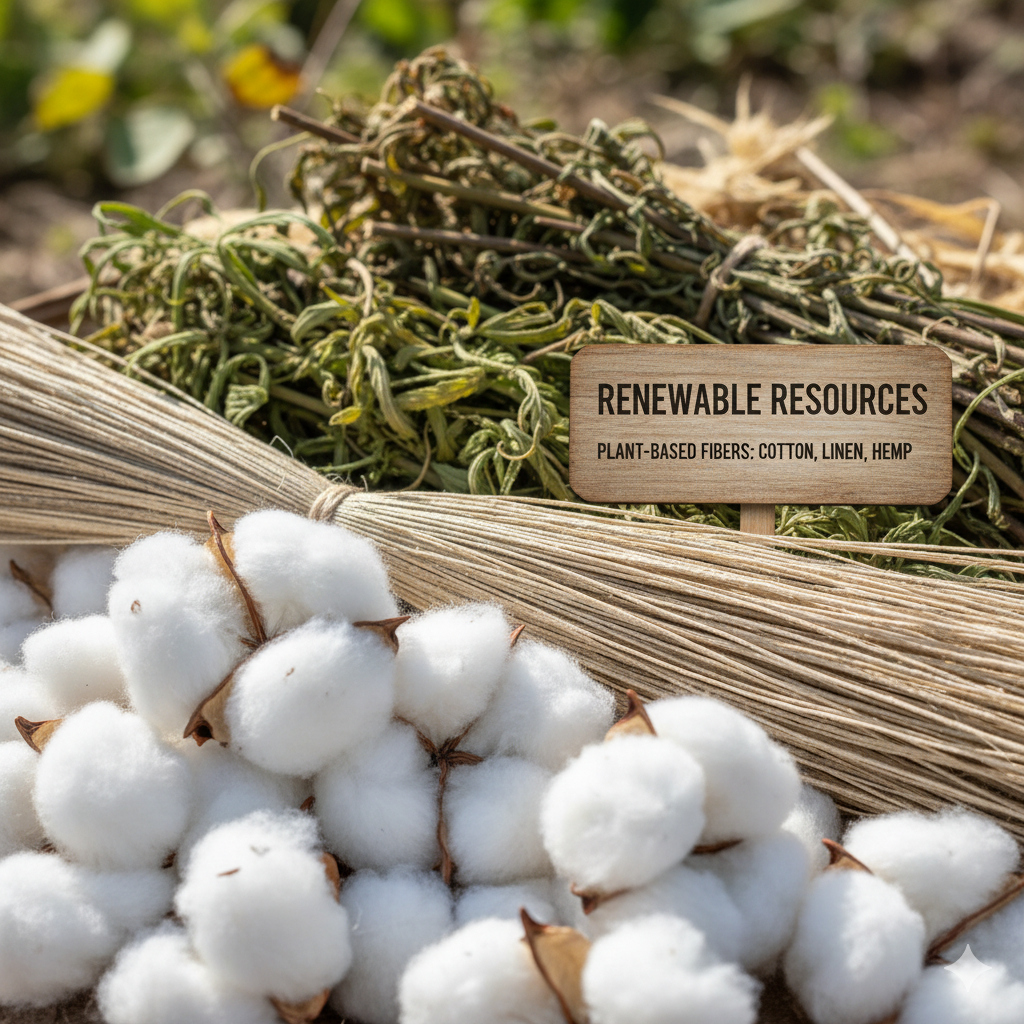
- Decomposition: Typically 2 weeks to 1 year in ideal composting conditions.
- Uses: Clothing, bags, ropes, packaging, paper products.
- Environmental Impact: Renewable, often compostable, and carbon-sequestering during growth.
2. Food Waste
This includes fruit and vegetable scraps, coffee grounds, eggshells, and other organic kitchen waste. It’s the easiest way for anyone to participate in biodegradation.
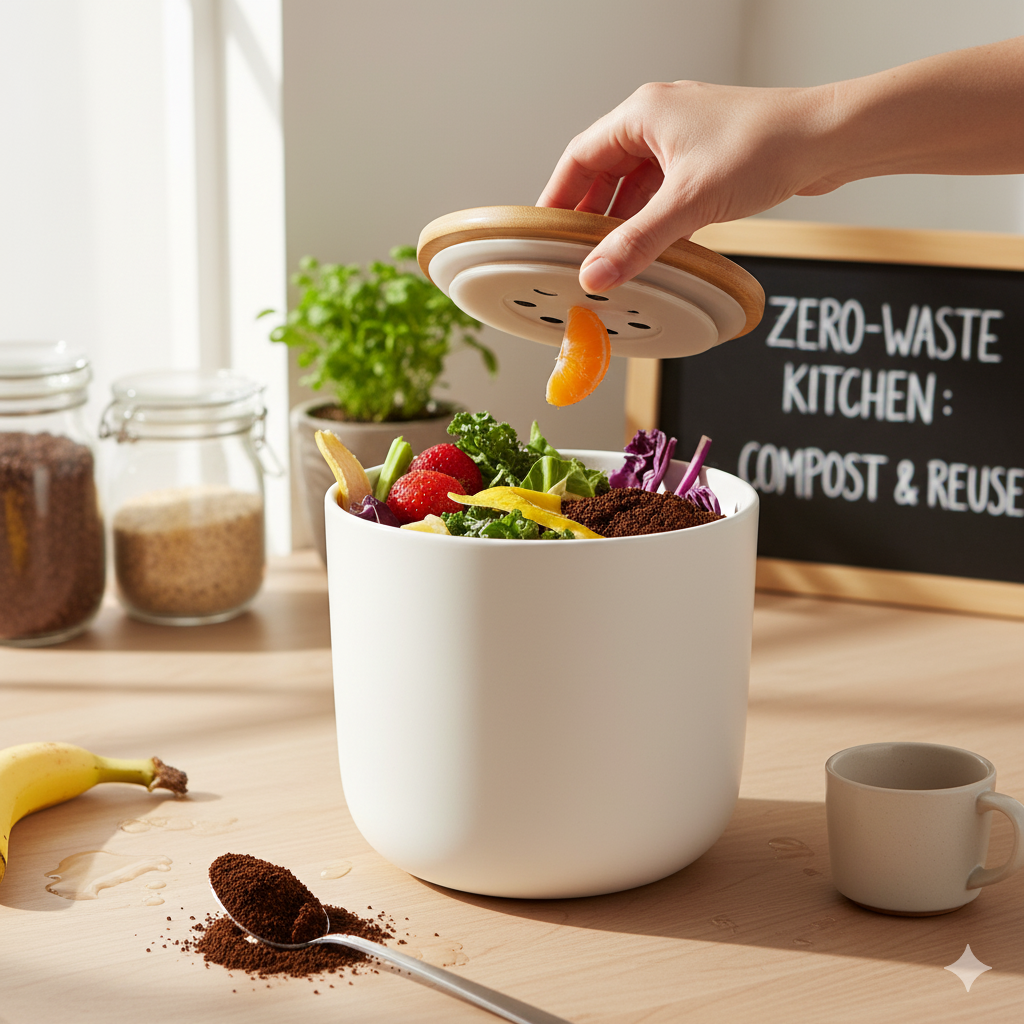
- Decomposition: Days to a few months, depending on the item.
- Uses: Composting for garden soil enrichment.
- Environmental Impact: Reduces landfill methane emissions and creates valuable soil.
3. Wood and Bamboo
These rigid plant materials are excellent for durable, reusable, and eventually biodegradable products.
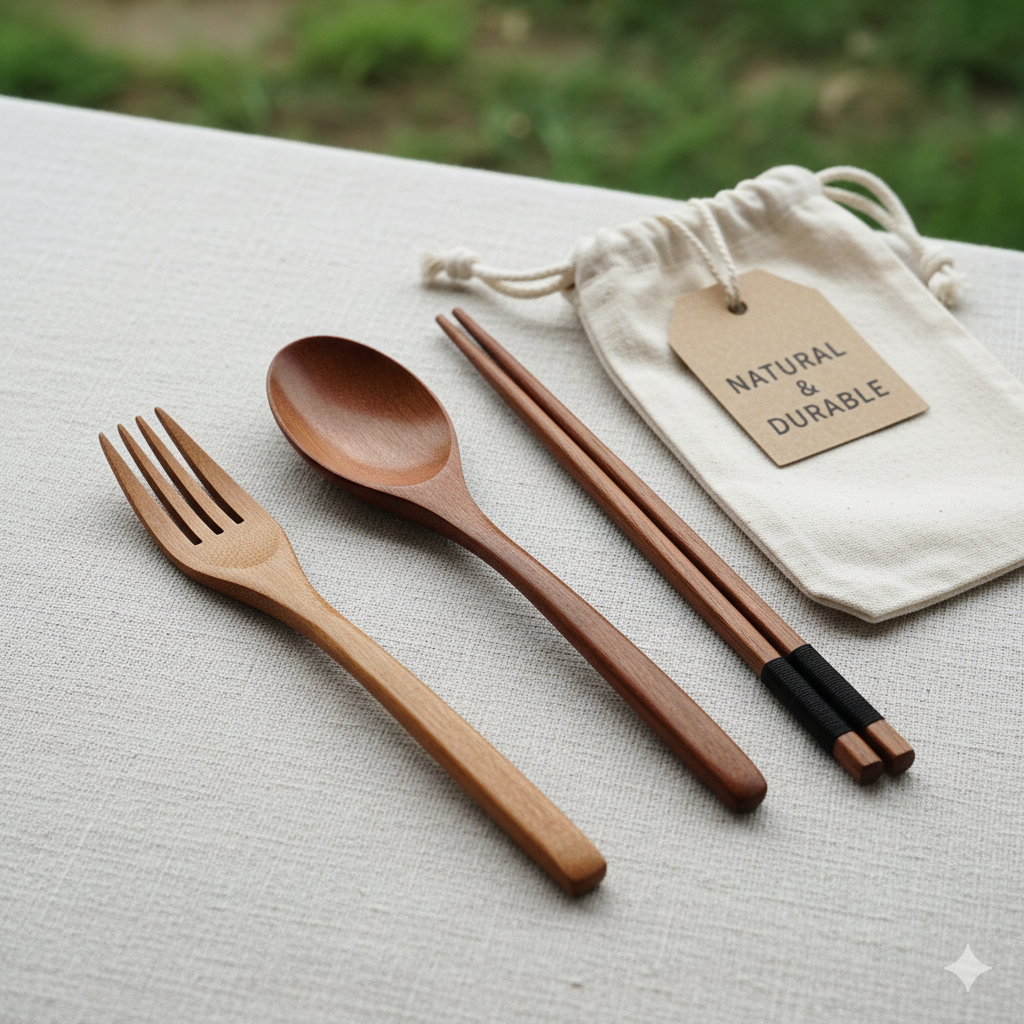
- Decomposition: Months to several years, depending on size and treatment.
- Uses: Utensils, cutting boards, furniture, building materials.
- Environmental Impact: Highly renewable (especially bamboo), carbon-storing, and often chemical-free.
⭐ Category 2: Bioplastics & Bio-Based Polymers (H2)
These are engineered materials, created from renewable biomass sources, designed to biodegrade under specific conditions.
4. PLA (Polylactic Acid)
Derived from fermented plant starches (like corn or sugarcane), PLA is a popular choice for clear food packaging.
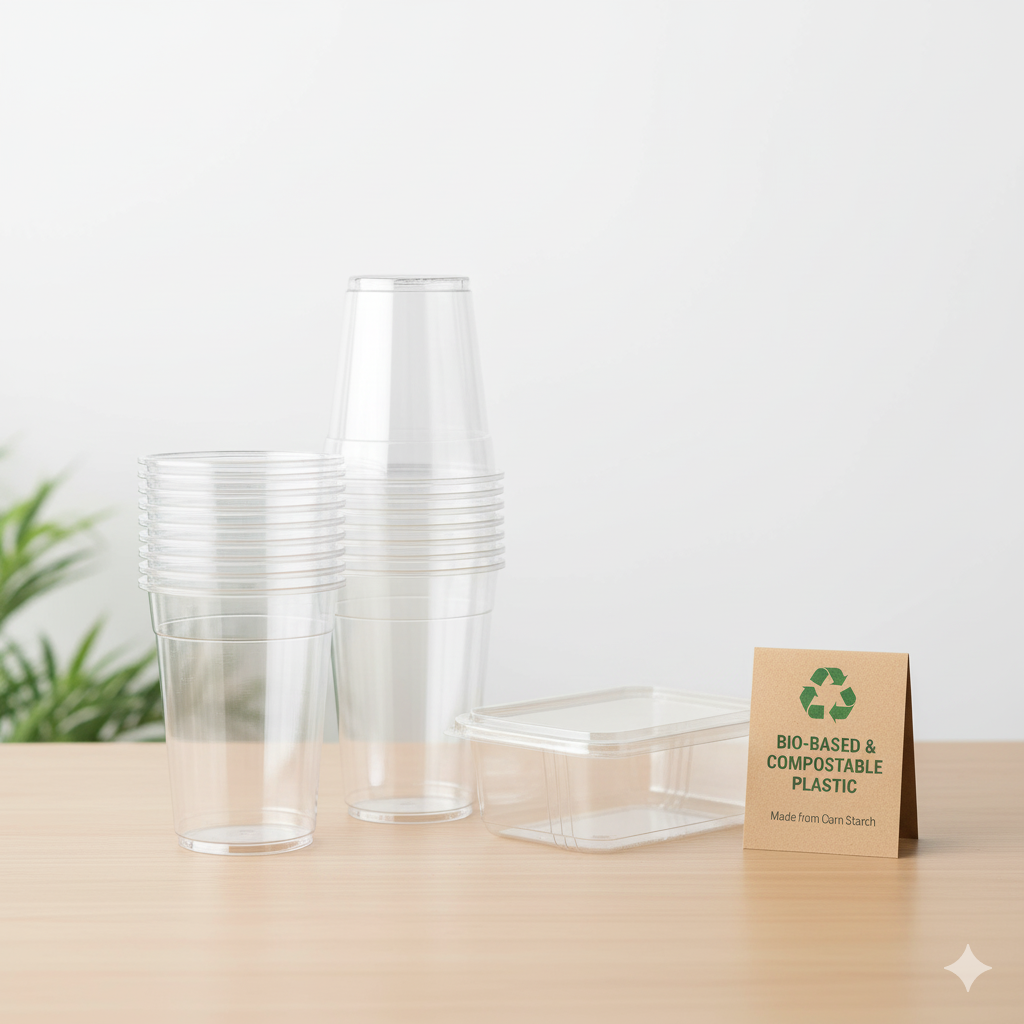
- Key Condition: Requires industrial composting facilities (high heat) to break down; it contaminates regular recycling.
- Uses: Disposable cold drink cups, clear deli containers, and blister packaging.
- Environmental Impact: Moves production away from fossil fuels, but its compostability depends entirely on local infrastructure.
5. PHA (Polyhydroxyalkanoates) – The Marine Biodegradable Solution
PHA is a newer polymer produced by bacteria that consume organic waste. It’s often hailed as the “holy grail” of biodegradable plastics.
- Key Condition: Unique in that it can biodegrade in many natural environments, including soil and marine water.
- Uses: Single-use items, thin films, and packaging for personal care products.
- Environmental Impact: Solves the plastic pollution issue in oceans and requires no specific industrial facility.
❓ Frequently Asked Questions (FAQs)
Q: What is the main difference between Biodegradable and Compostable? A: Compostable is a stricter term. It means the material breaks down into natural elements in a specific time frame, leaving no toxicity. Biodegradable is a broader term that simply means it will break down eventually, but often leaves behind fragments or requires hundreds of years. Always choose Compostable.
Q: Do biodegradable materials break down in a typical landfill? A: No. Most landfills are designed to be airtight and watertight (anaerobic). Decomposition requires oxygen and moisture (aerobic conditions). Therefore, even food scraps can take decades to break down in a sealed landfill.
Q: Can I put PLA products in my home compost pile? A: Generally, no. Most home compost piles do not reach the sustained high temperature (around 140°F/60°C) required for PLA to break down efficiently. It will likely just sit there, or it will contaminate your compost.
Q: Why is bamboo considered more sustainable than wood? A: Bamboo is technically a grass and grows incredibly fast—up to three feet per day—without the need for fertilizers or pesticides. Unlike wood trees, cutting bamboo does not kill the root system, allowing it to regrow instantly.
About the Author
Hi! I’m Kalpita , an environmental materials consultant and zero-waste advocate. My mission is to simplify the complex world of sustainable products and help readers like you make confident, informed choices that reduce global waste. Join me in decoding the labels and making every item count!