
Making the switch to a sustainable life doesn’t require huge changes. It starts with replacing the common plastics in your daily routine with items that simply break down.
Biodegradable items are those designed to naturally decompose back into the earth, thanks to the help of microbes, fungi, and bacteria.
Choosing these items means your waste won’t sit in a landfill for hundreds of years. It’s an easy, powerful step toward a greener home.
Why Choose Biodegradable?
The main benefit is straightforward: less pollution and a cleaner planet. But the advantages go deeper than just reducing trash.
- Supports Renewable Resources: Many biodegradable products are made from plants like bamboo, corn, or sugarcane.
- Reduces Methane Gas: When food scraps (a prime biodegradable item) are composted, they don’t produce methane in landfills. (Source: EPA)
- Enriches Soil: The end result of proper composting is a nutrient-rich material that feeds the earth.
Reading the Labels Correctly
Remember, look for items labeled “Compostable” or confirmed as suitable for home composting. This gives you the greatest environmental benefit!
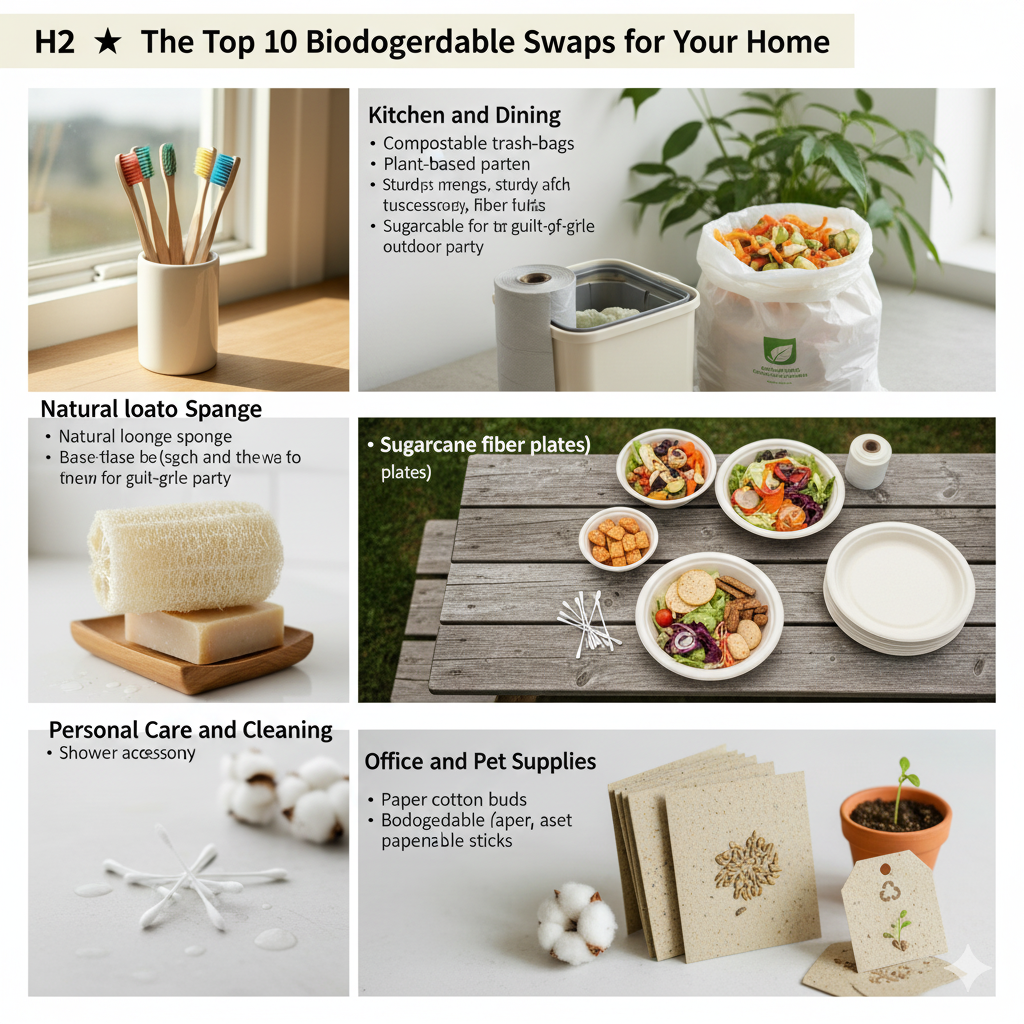
⭐ The Top 10 Biodegradable Swaps for Your Home
Here are the most impactful biodegradable items you can easily incorporate into your everyday life right now:
Kitchen and Dining
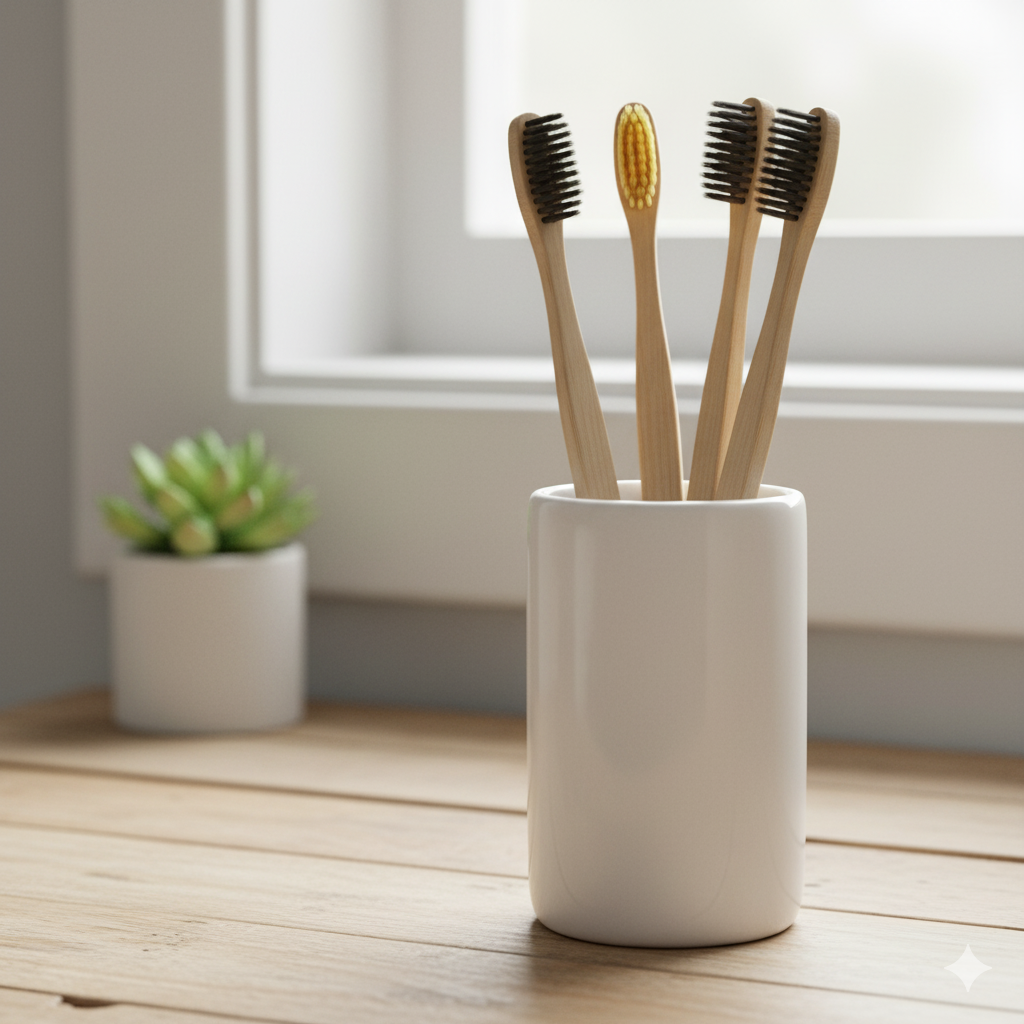
- Bamboo Toothbrushes: The plastic toothbrush is a perpetual pollutant. Switching to a bamboo handle means you only discard the small nylon bristles.
- Tip: Snap off the bristles with pliers before composting the bamboo handle.
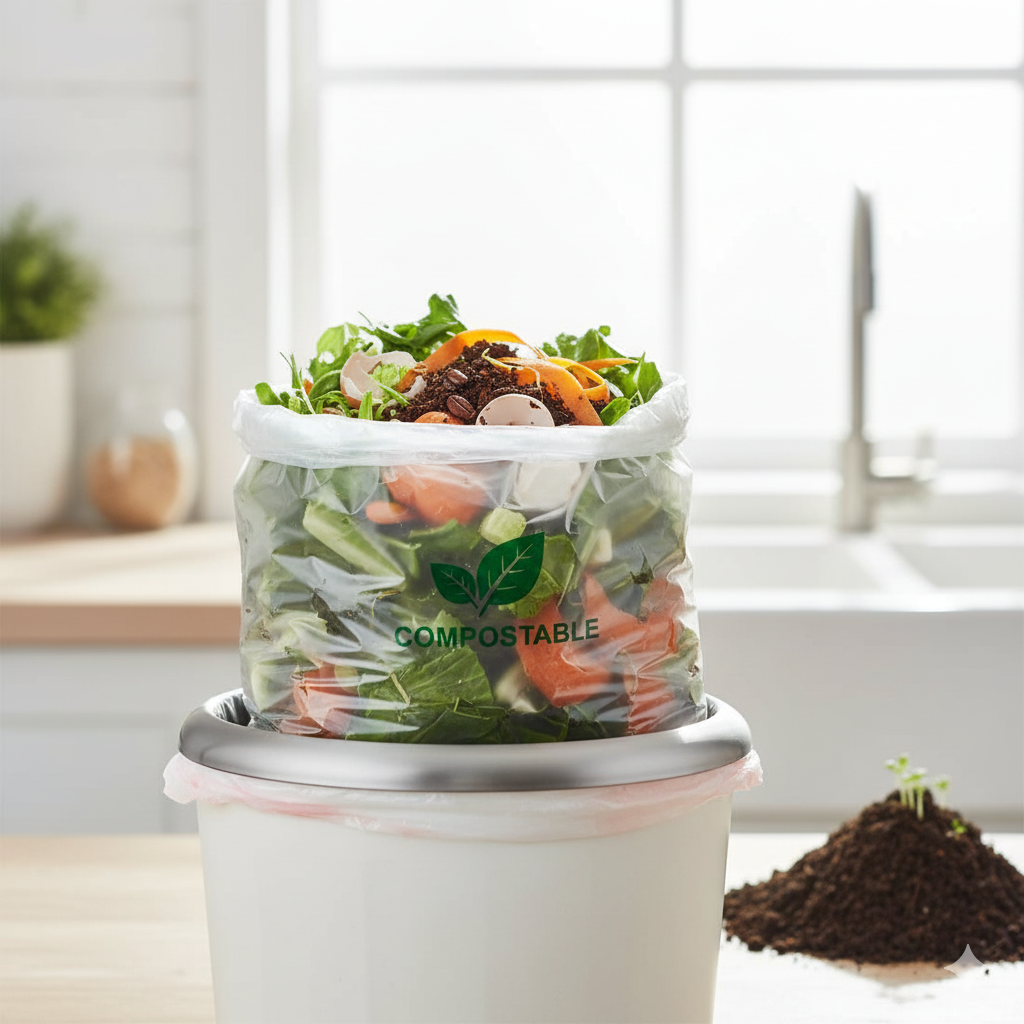
2. Compostable Trash Bags: Made from plant starches (like corn), these bags are designed to break down with your food scraps in a compost environment. * Caution: They need air and microbes, so they often don’t break down quickly in sealed landfills.
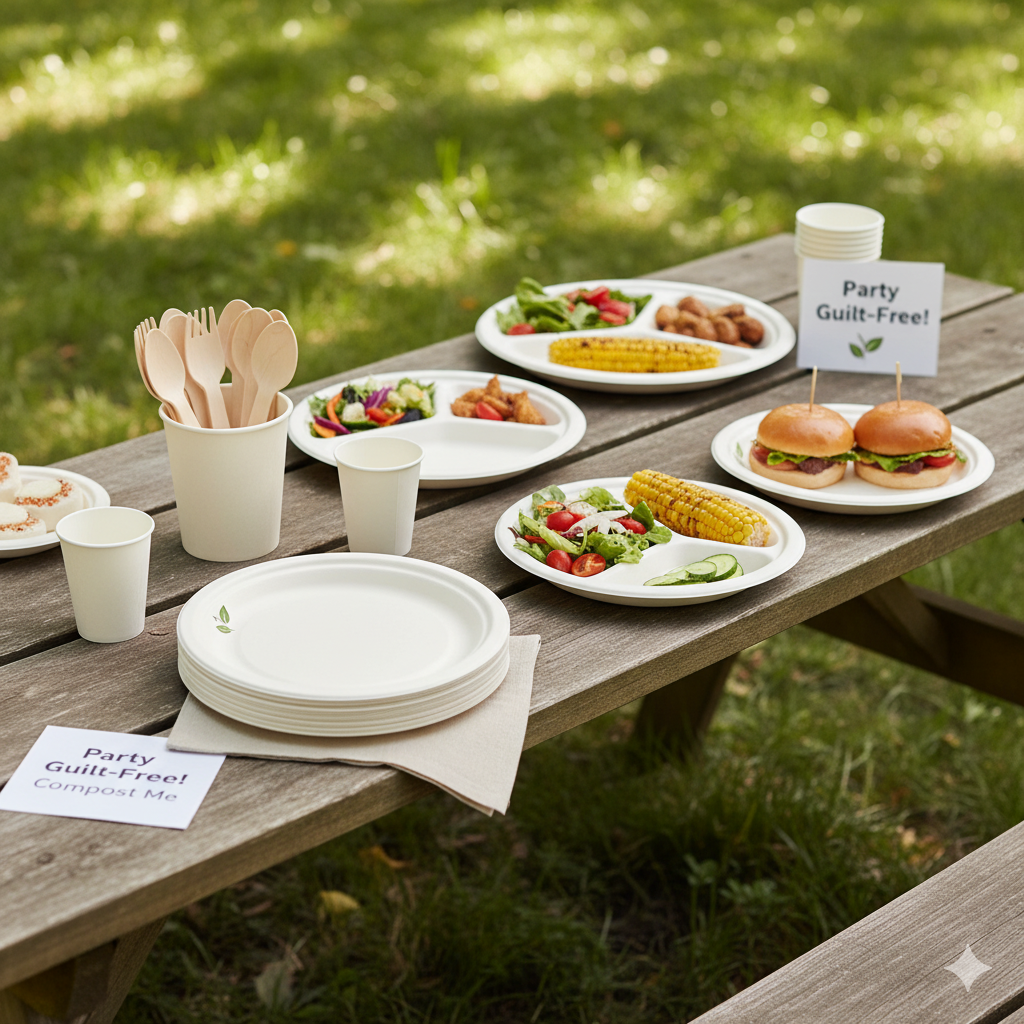
3. Sugarcane Fiber Plates (Bagasse): Perfect for parties! These plates and bowls are made from sugarcane pulp waste and become compost quickly.
* Best For: Picnic parties, events, and single-use convenience without the guilt.
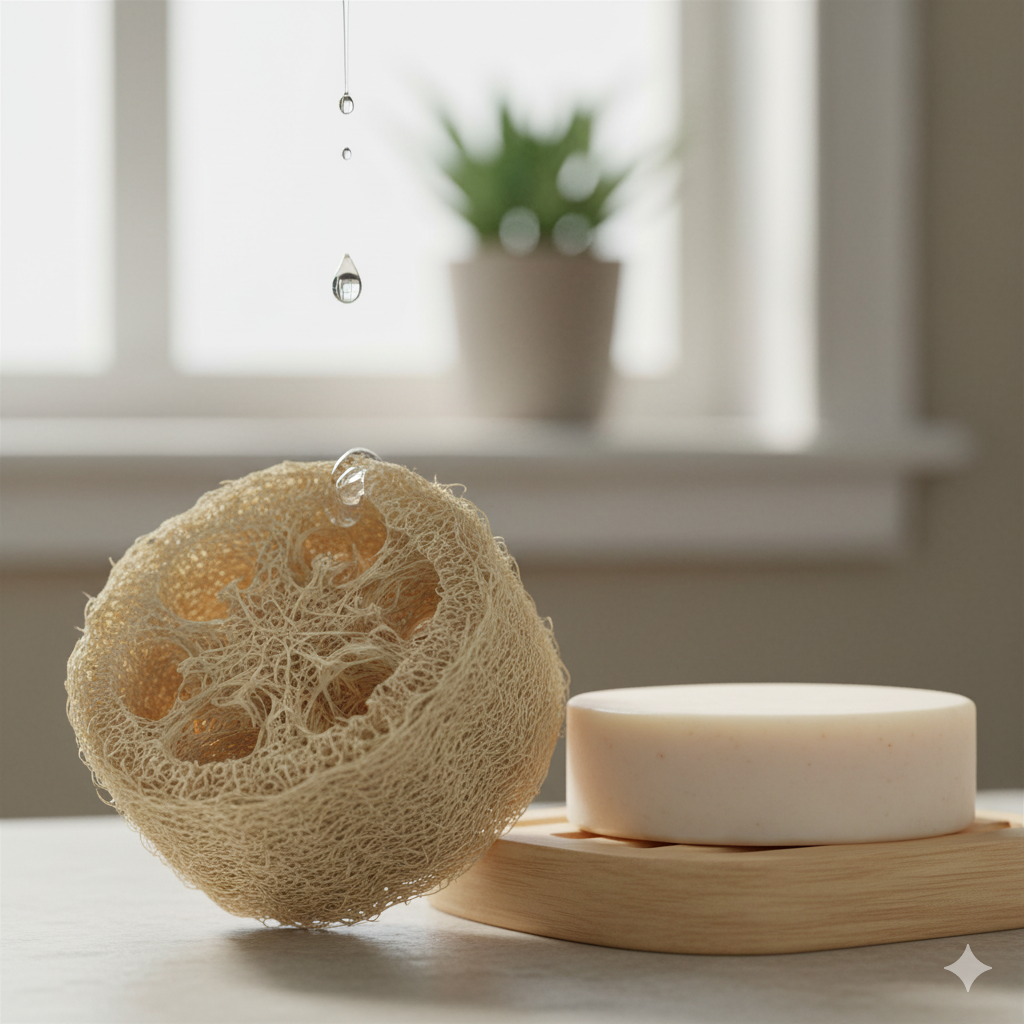
4. Natural Loofah Sponges: Ditch the synthetic plastic scourers! Natural loofahs are actually dried plant material and can be composted when they wear out.
* Fact: Loofahs decompose fully in a matter of weeks.
Personal Care and Cleaning
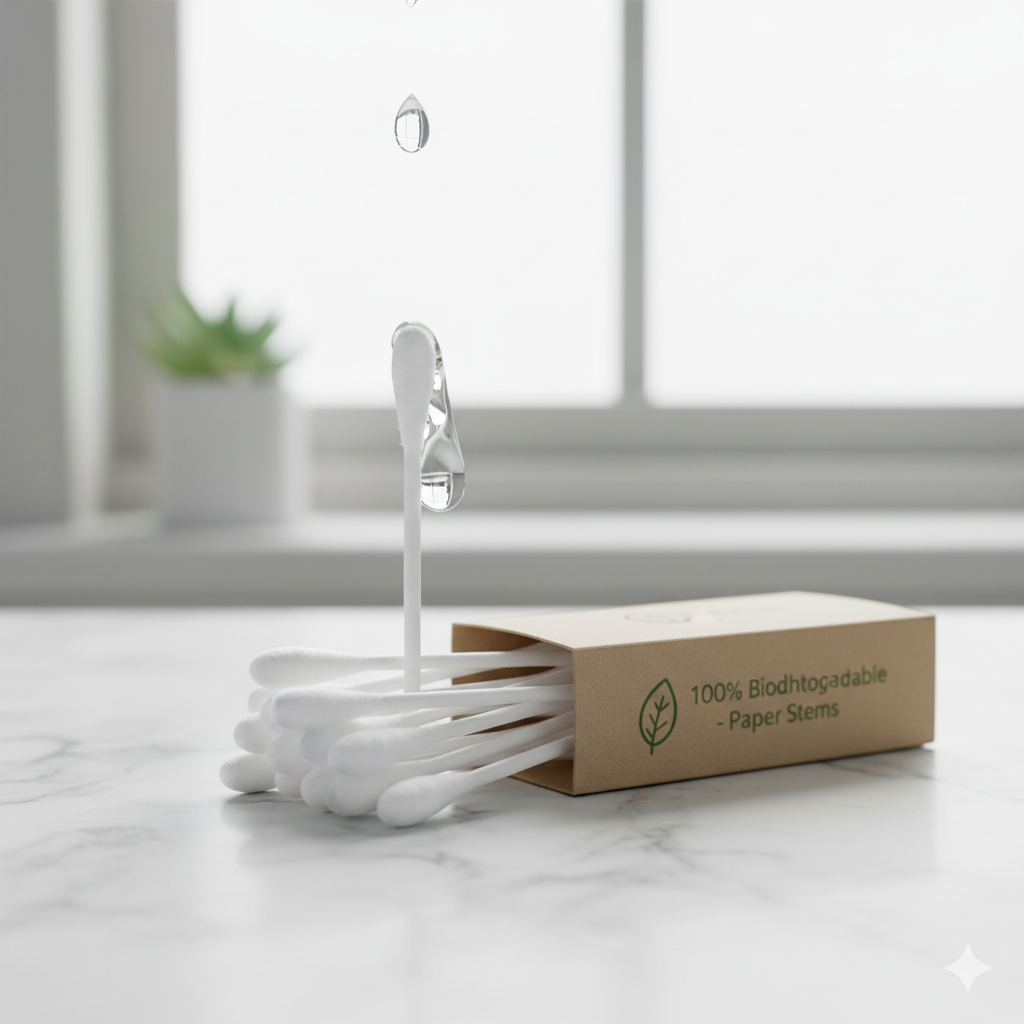
- Cotton Buds with Paper Sticks: The plastic stick version is a huge coastal pollutant. Paper-stemmed buds are readily biodegradable.
- Action: Look for 100% cotton and paper labels.
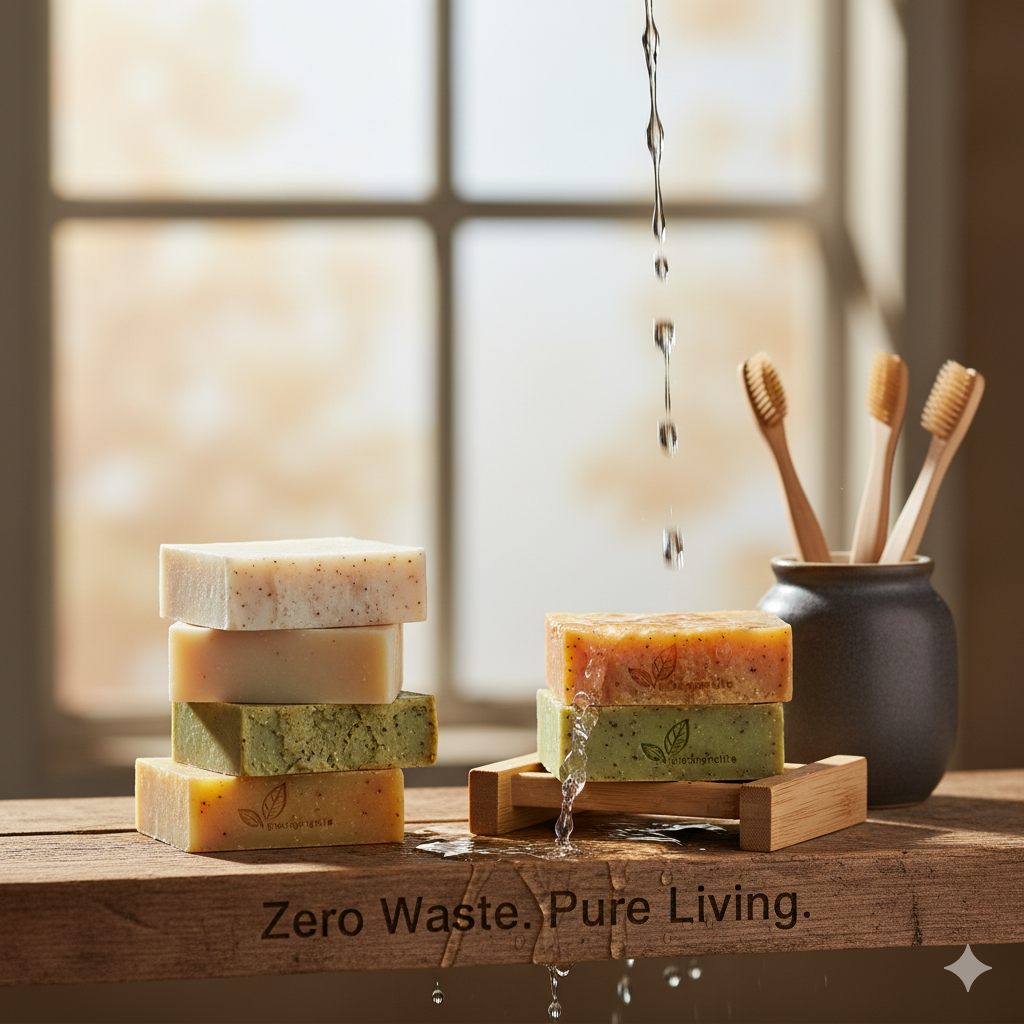
6. Bar Soap: Liquid soaps often come in plastic bottles. Bar soap is a zero-waste item that biodegrades completely when used up. * Benefit: Saves plastic and often lasts longer than liquid soap. *
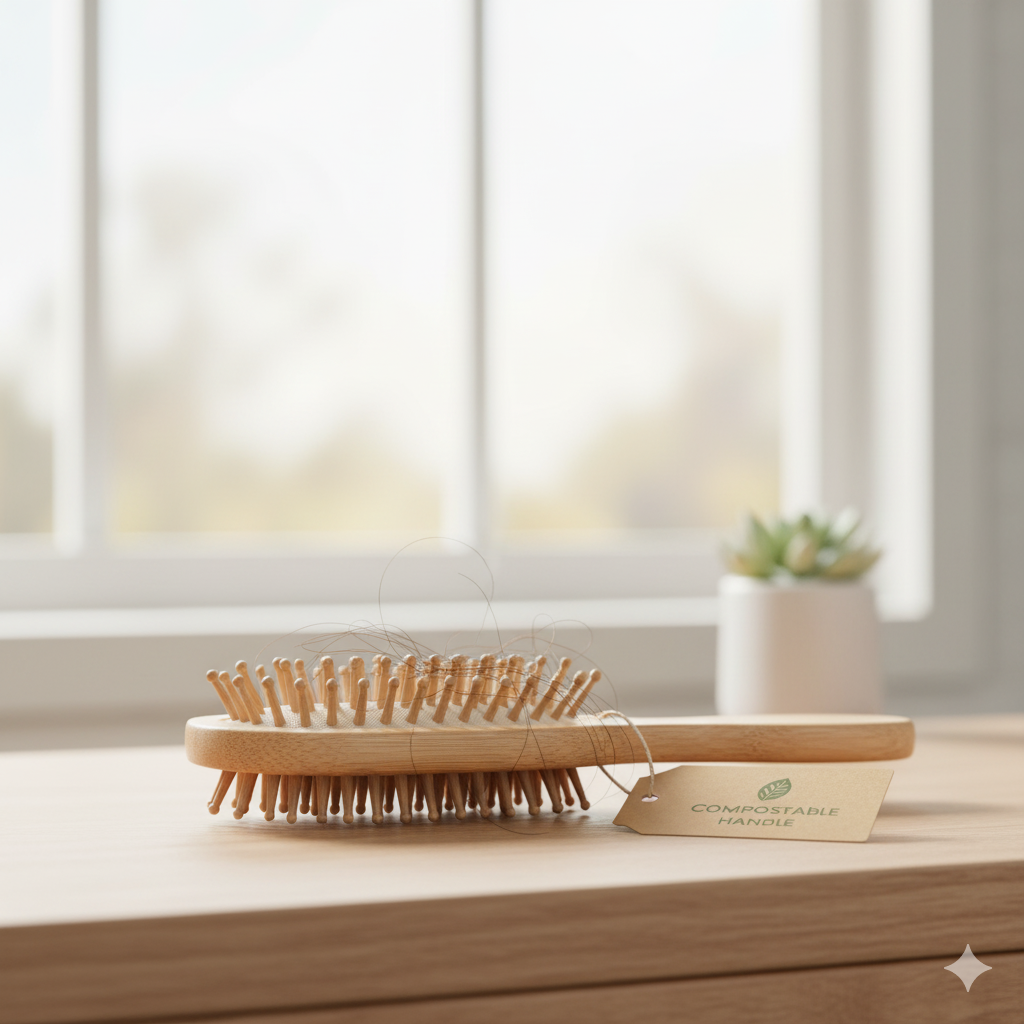
7. Bamboo or Wooden Hairbrushes: When the bristles fall out, the wooden body can eventually be composted, unlike standard plastic hairbrushes. *
Office and Pet Supplies
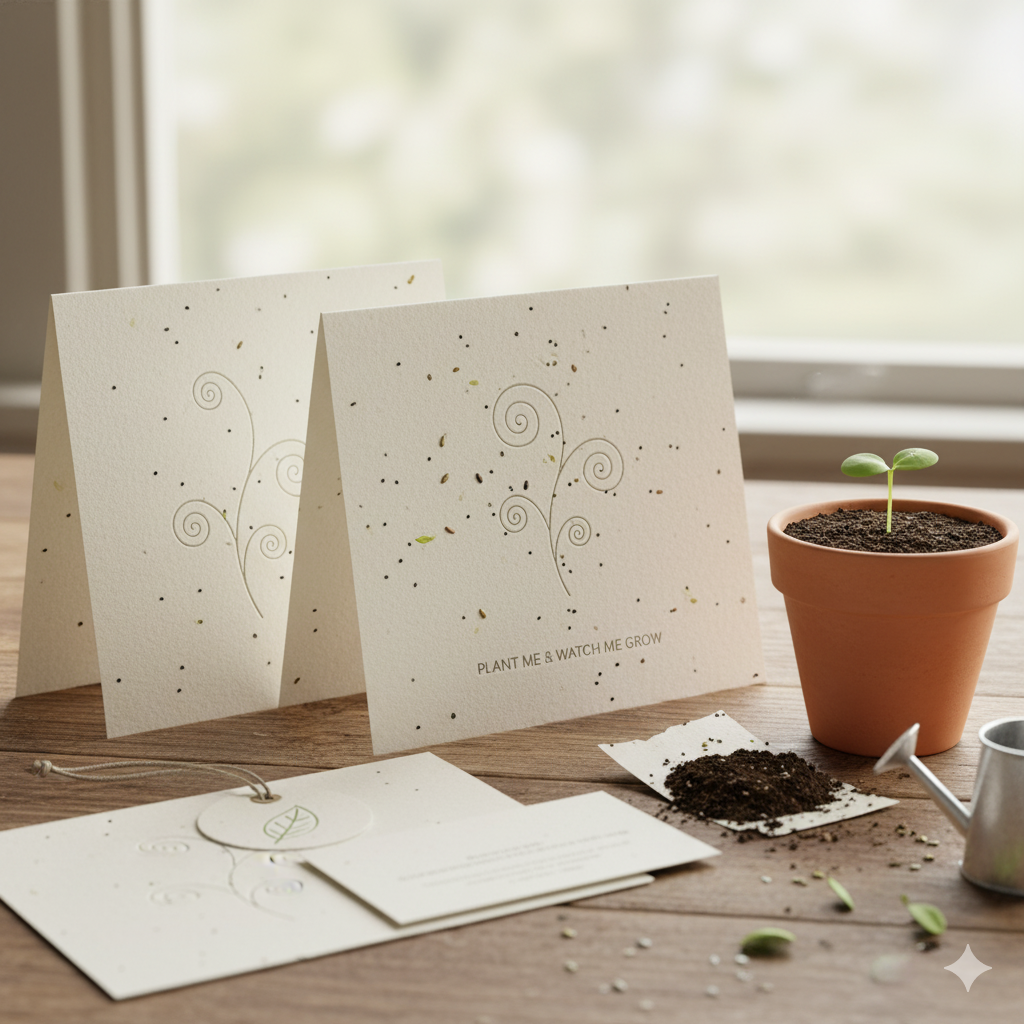
- Seed Paper: Paper infused with flower or vegetable seeds. After use, you plant the paper instead of throwing it away!
- Use Case: Ideal for greeting cards, invitations, and packaging inserts.
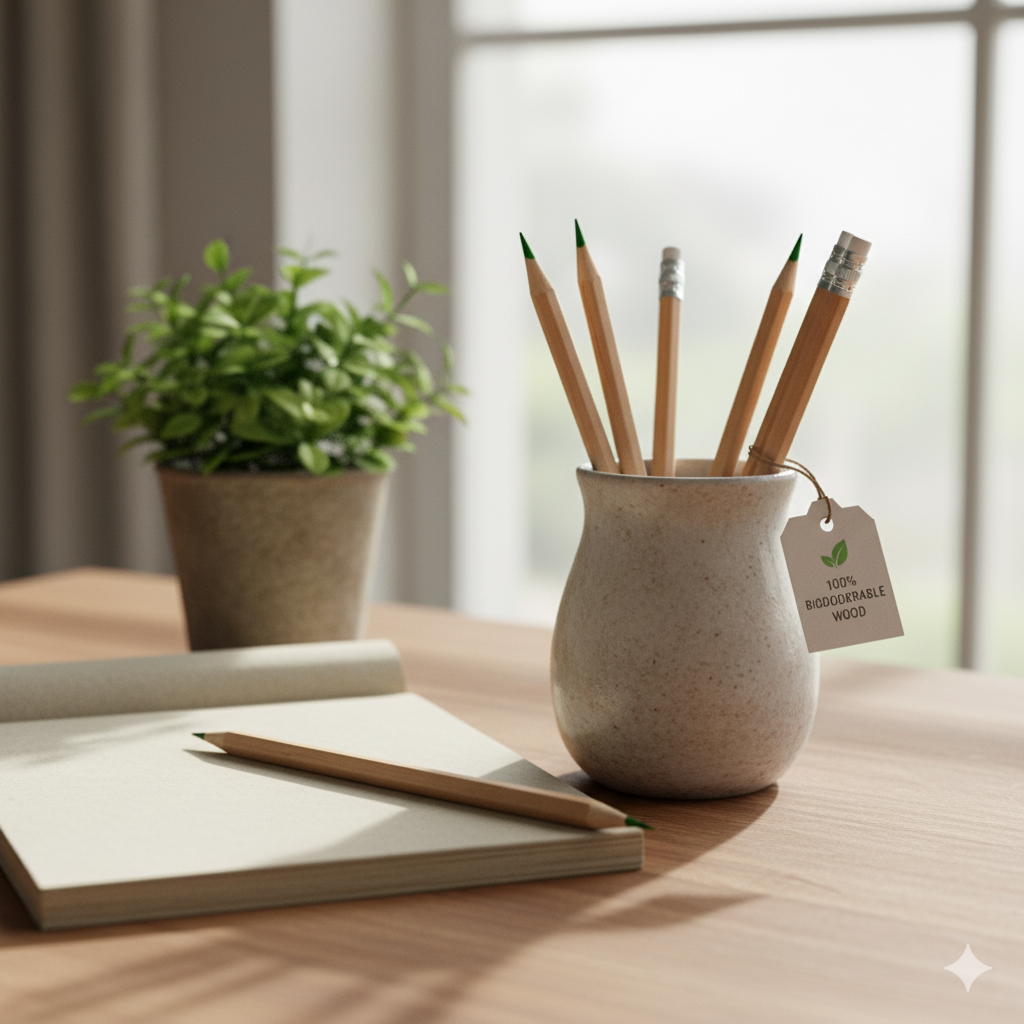
9. Wooden Pencils: A simple classic! Choose wooden pencils over plastic pens and mechanical pencil bodies for a fully biodegradable writing instrument. *
🖼️ Visual Content Strategy
To make this post highly shareable, a visual comparison is key.
Infographic Content:
- Start: Show food scraps, a bamboo toothbrush, and a bagasse plate.
- Middle: Show a compost bin with microbes working.
- End: Show rich, dark soil and a sign: “Zero Waste. New Life.”
- Key Text: Biodegradable items return their nutrients to the earth.
❓ Frequently Asked Questions (FAQs)
Q: Are biodegradable wipes flushable? A: No! Even if labeled biodegradable, never flush wipes (or paper towels). They do not break down fast enough and cause massive clogs in city sewage systems.
Q: Where should I put biodegradable items? A: Compostable items should go into a certified commercial composter or your home compost bin. Simple biodegradable items (like wooden sticks) can often go into standard trash or green waste, depending on local rules.
Q: What is the difference between bamboo and wood? A: Bamboo is technically a grass, not wood. It grows much faster than wood and self-regenerates, making it one of the most sustainable fibers on Earth.
About the Author
Hi, I’m Kalpita , dedicated to testing and reviewing sustainable products to make greener living accessible to everyone. I share practical tips and researched facts to help you swap out plastics without compromising convenience. Let’s make every purchase count!